










Extending the service life of concrete structures
with cathodic protection.
This system halts corrosion of the reinforcement, even when the chloride stays in the structure. CPS supplies the material,
the power sources and the measuring equipment that make protection demonstrable.
It is precisely what stays out of sight that counts.
Once chloride reaches the reinforcement, corrosion starts, and that process carries on inside concrete that still looks sound from the outside.
The first crack is not a beginning, but an interim result.

What cathodic protection does

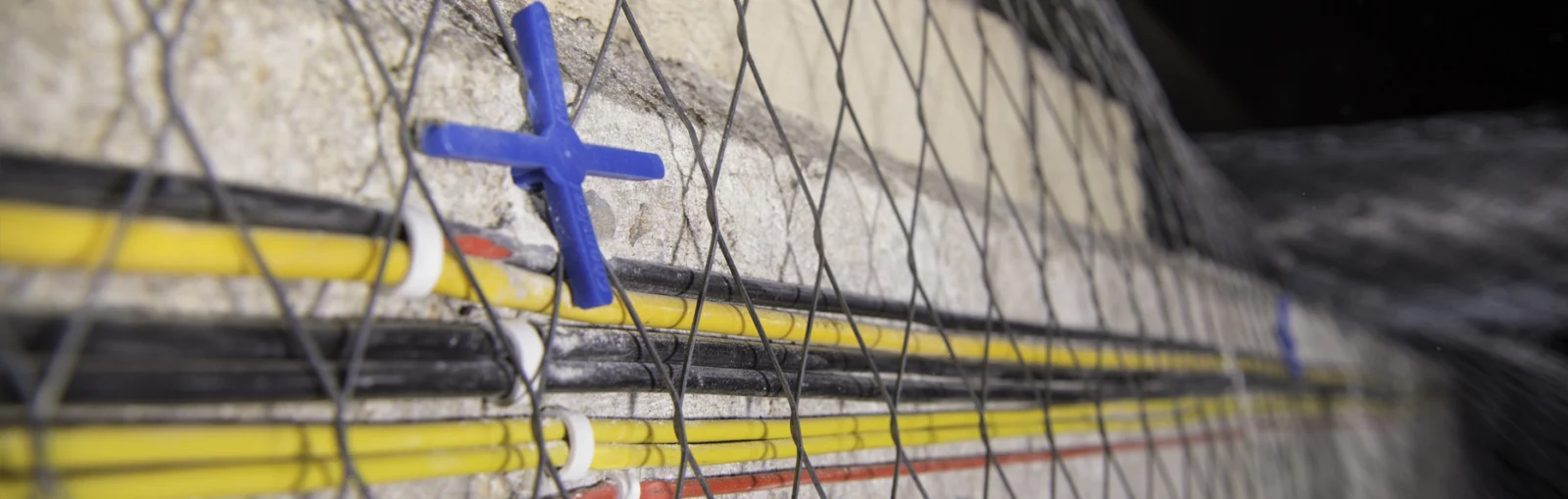
Chloride from de-icing salt or seawater penetrates the concrete until it reaches the reinforcement, where it breaks down the passive layer around the steel. Rust expands and pushes the concrete cover away: cracking and spalling follow. Cathodic protection reverses that process. Anodes in or on the concrete pass a small direct current to the reinforcement, which then becomes cathodic and no longer corrodes. The chloride may stay where it is; removing it is not necessary. The effect is demonstrable, with the requirements set out in NEN-EN-ISO 12696.
CPS
Products
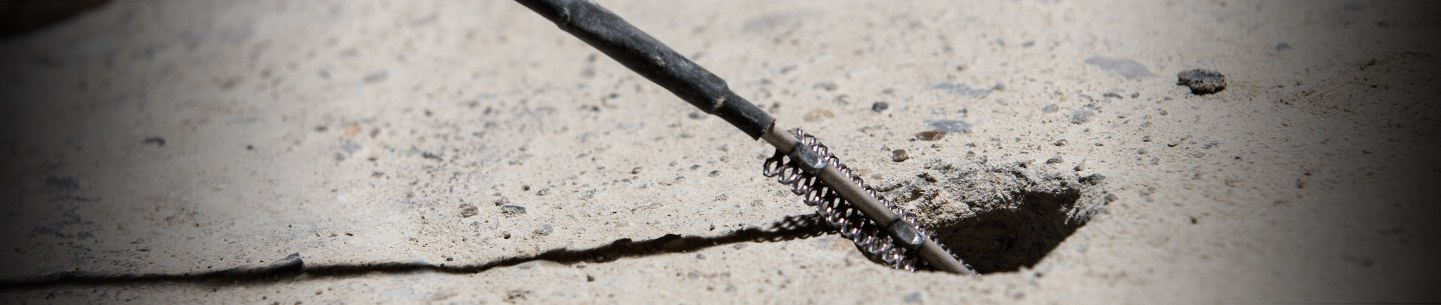
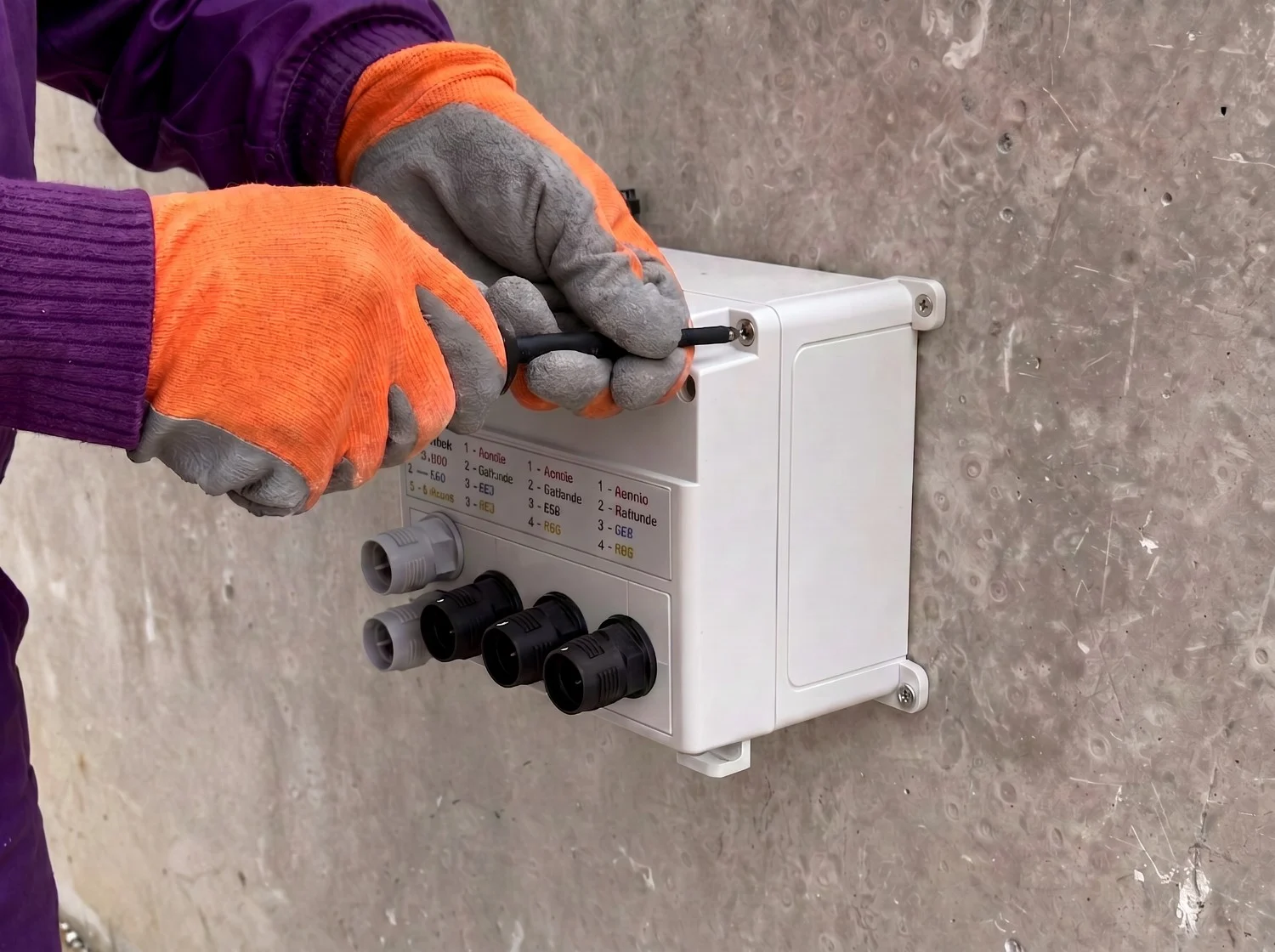
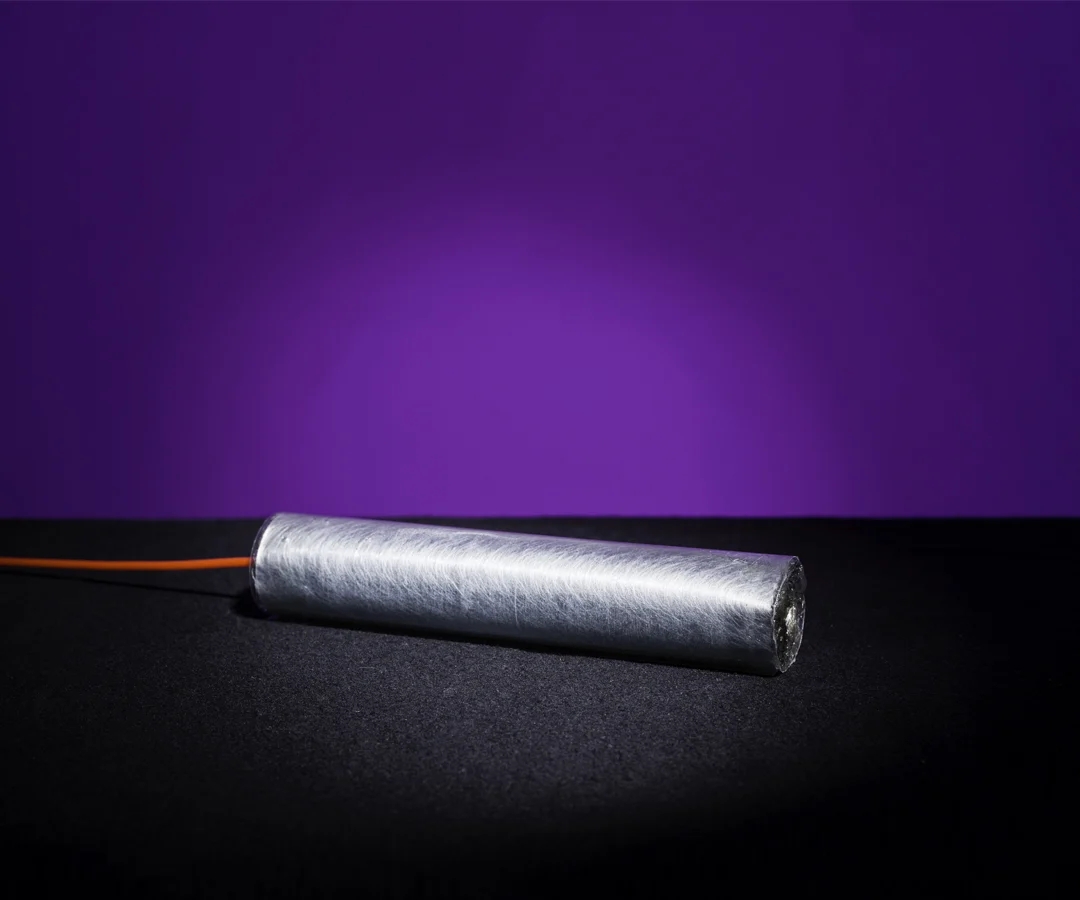
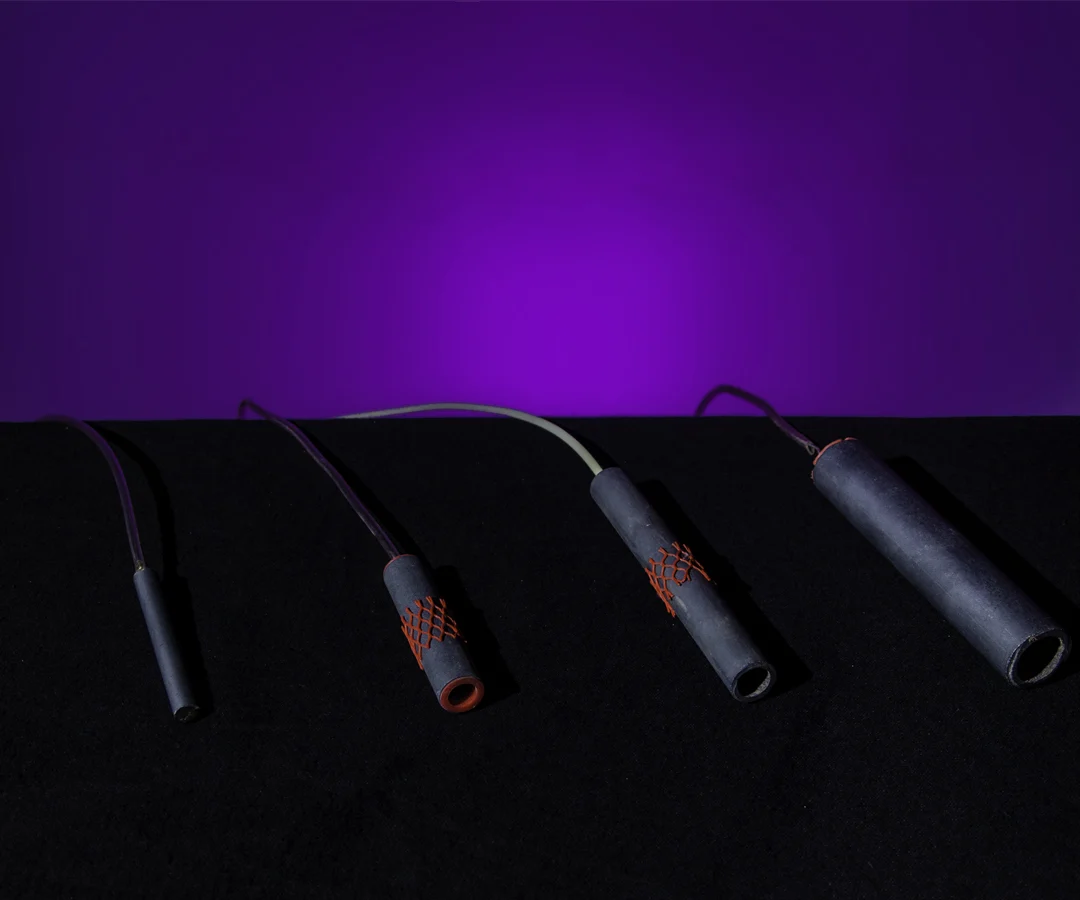
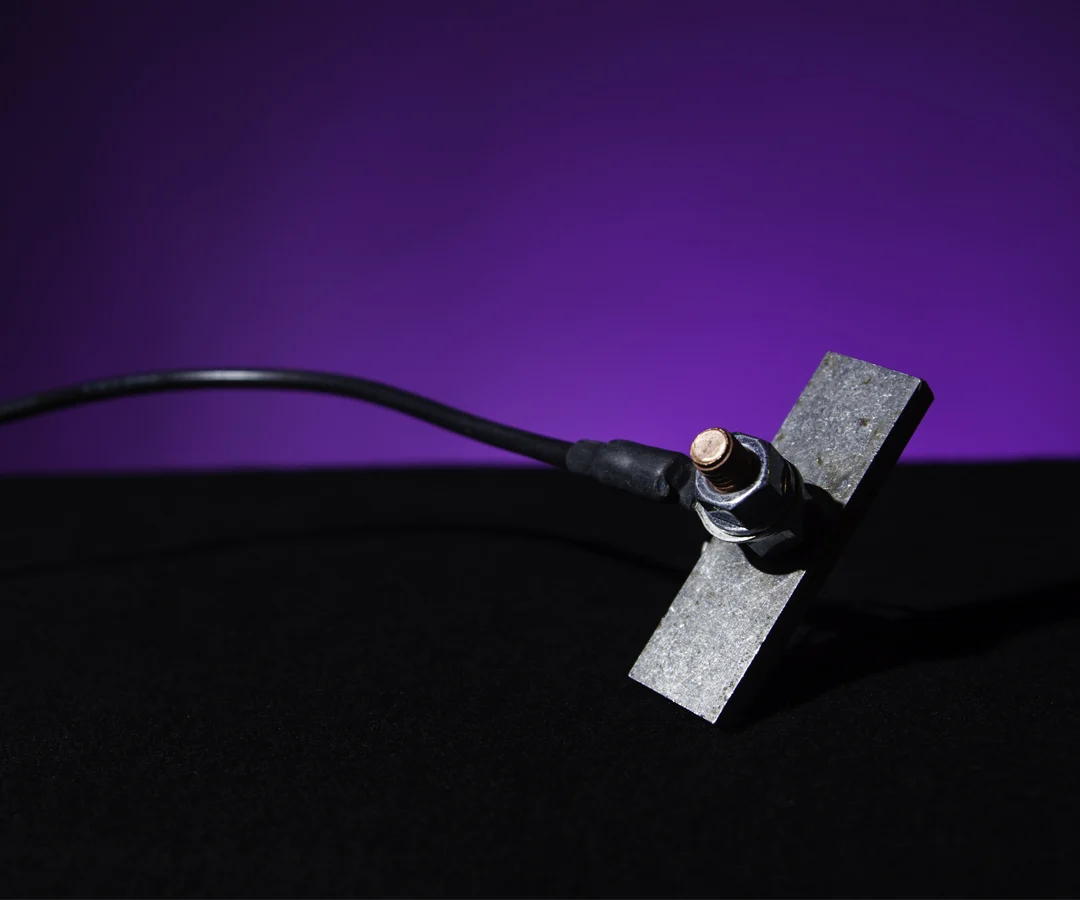
CPS supplies everything the system needs. Anodes, reference cells, connections, cables, control units, measuring circuits and connectivity.
One point of contact, all of it matched and checked.
CP materials are typically made to order; a large part of our range is held in stock. That lets projects start quickly with a partial delivery and makes smaller projects viable too.
A single component or a complete bill of materials: deliveries are matched to the construction schedule.
Every project is different, the method the same. First establish the condition of the structure, using chloride profiles, cover measurements and moisture behaviour. Then the anode type, based on what is feasible and how much protection is needed. That results in the bill of materials. The system follows what the structure needs, from the very first choice.
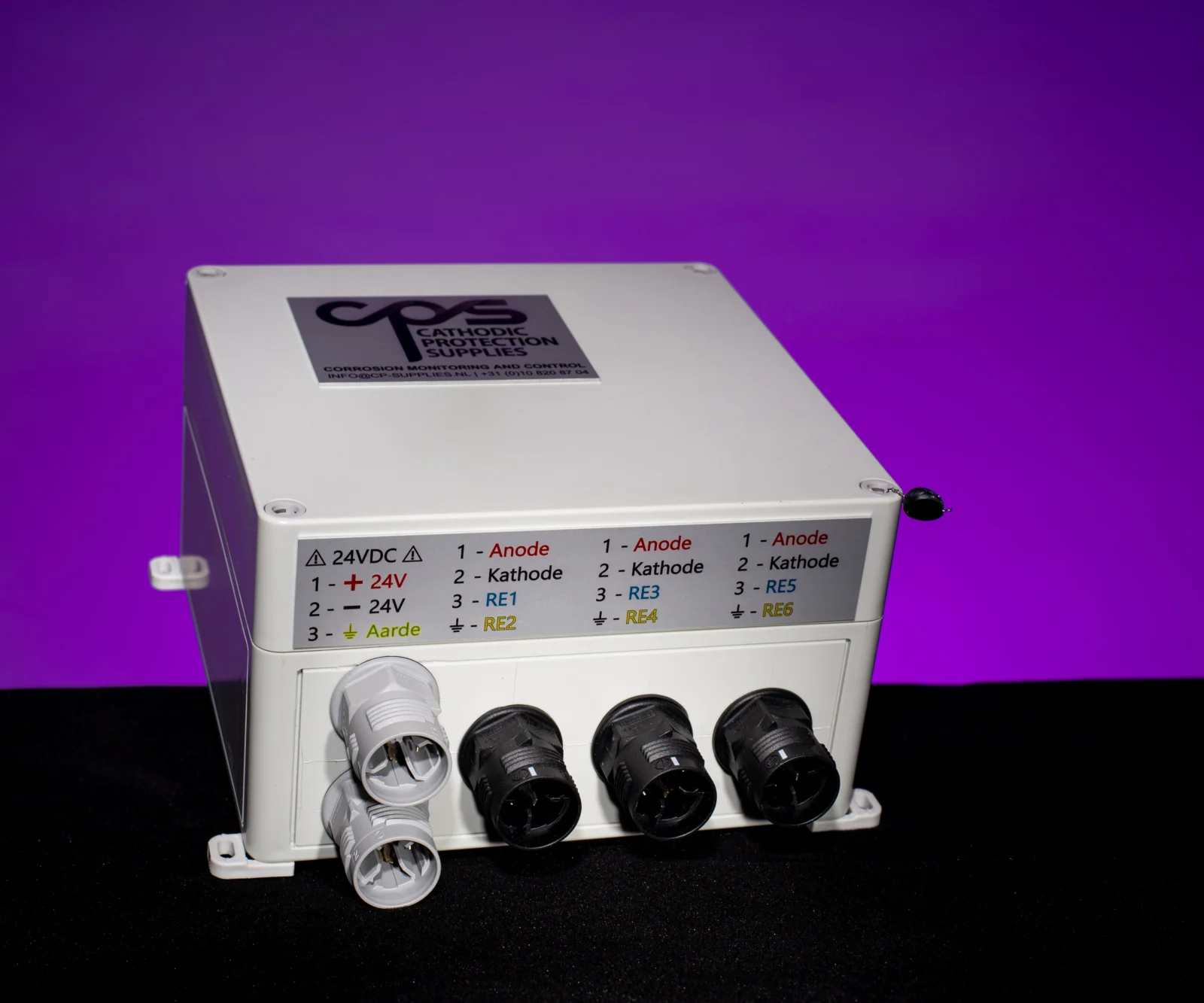
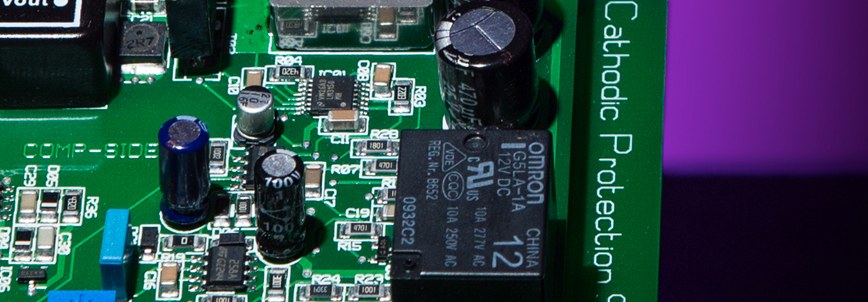
Cathodic protection calls for design, material and measurement data that fit together. We supply the material and develop the power sources and monitoring equipment ourselves. That allows us to think along on both sides: what goes into the concrete, and how it is afterwards shown to work:
measuring is knowing.
Here, knowledge is as much the product as the material. Years of experience and insight across a wide range of projects. We share that knowledge through articles in trade journals, courses and our involvement in the KB-Kenniscentrum. Which anode type suits this concrete cover, this chloride load and this remaining service life: we would rather answer that question well than quickly.
We are a supplier, not a contractor, and not tied to other parties. We advise on the materials required on the basis of the technology and the structure. Where investigation, design or assessment is needed, we work together with CP Advice.
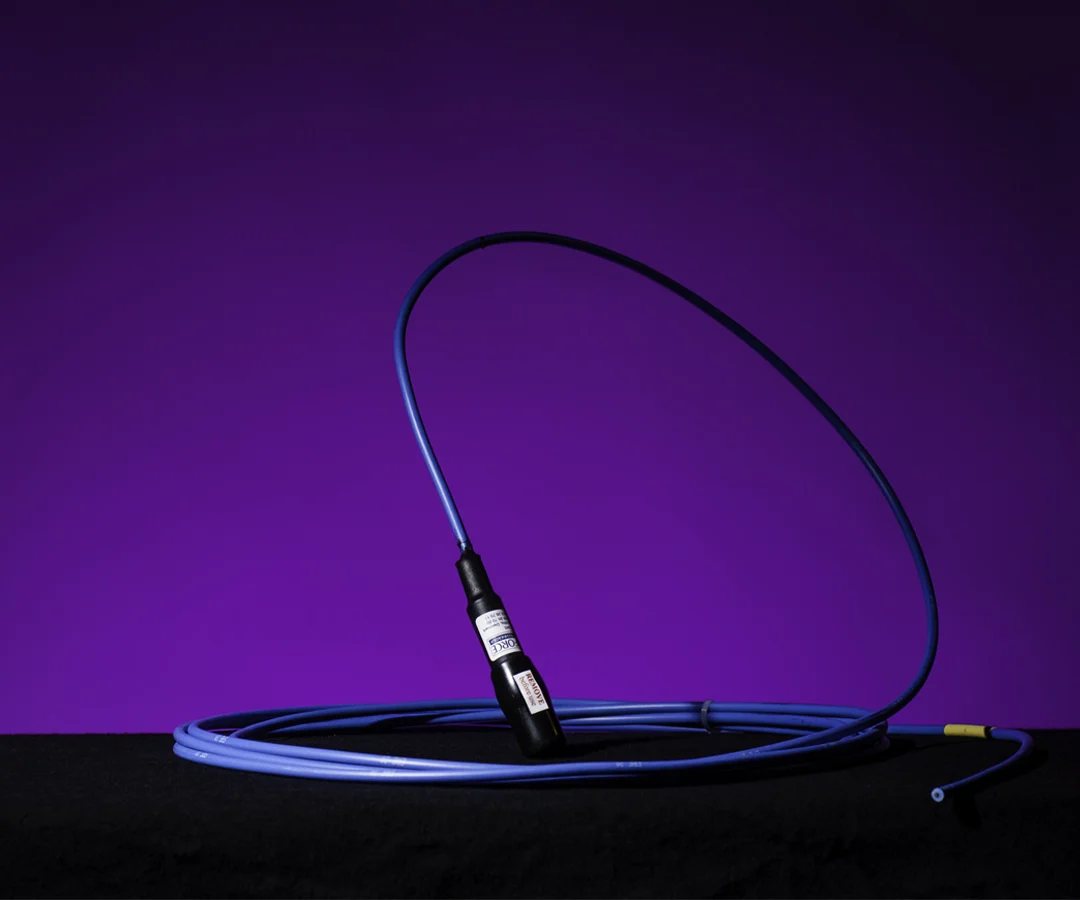
We address the cause, not the damage. A repair without protection leaves the chloride in the surrounding concrete. The contractor will be back a few years later. Measuring gives control. Reference electrodes and a depolarisation measurement show whether the protection is adequate; remote monitoring takes care of it all year round, without disruption on site. No assumptions, but a system that demonstrably works.
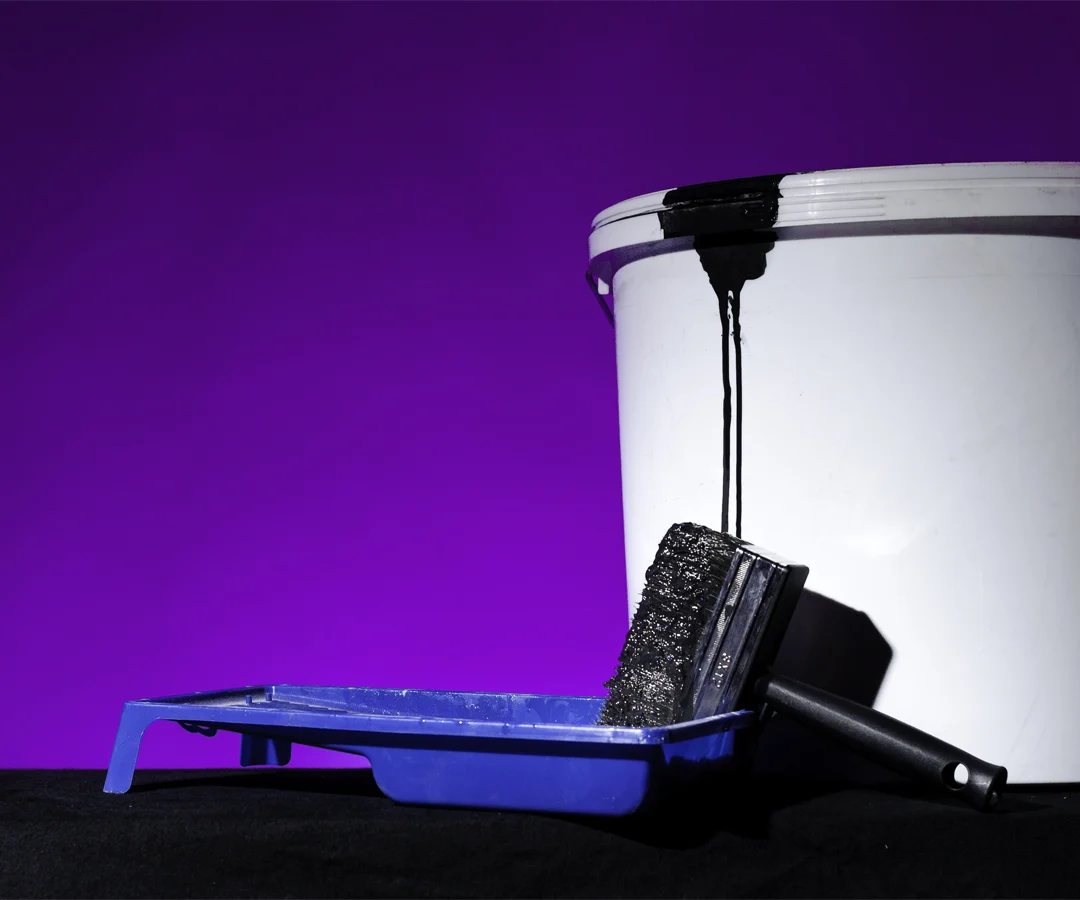
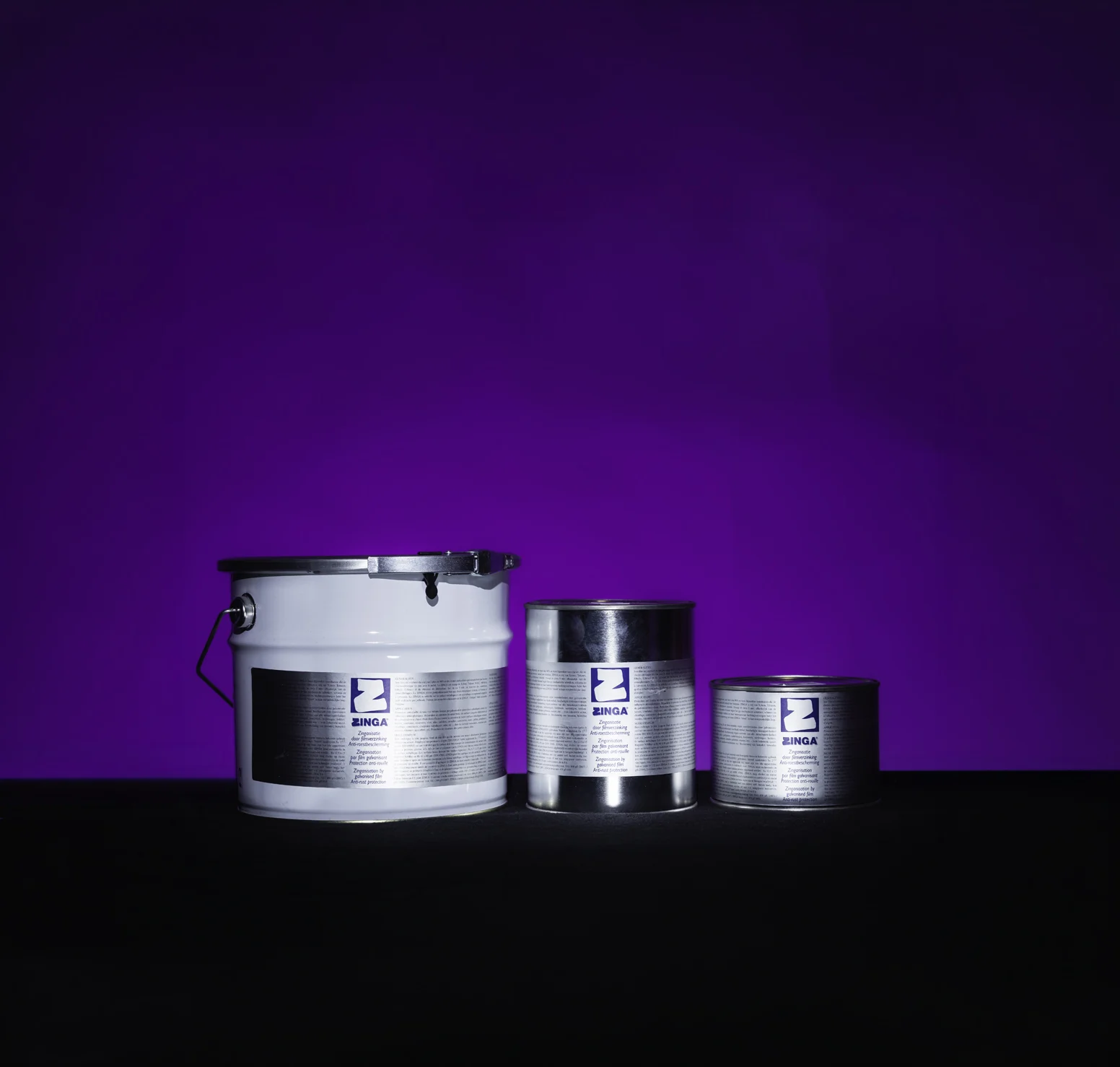
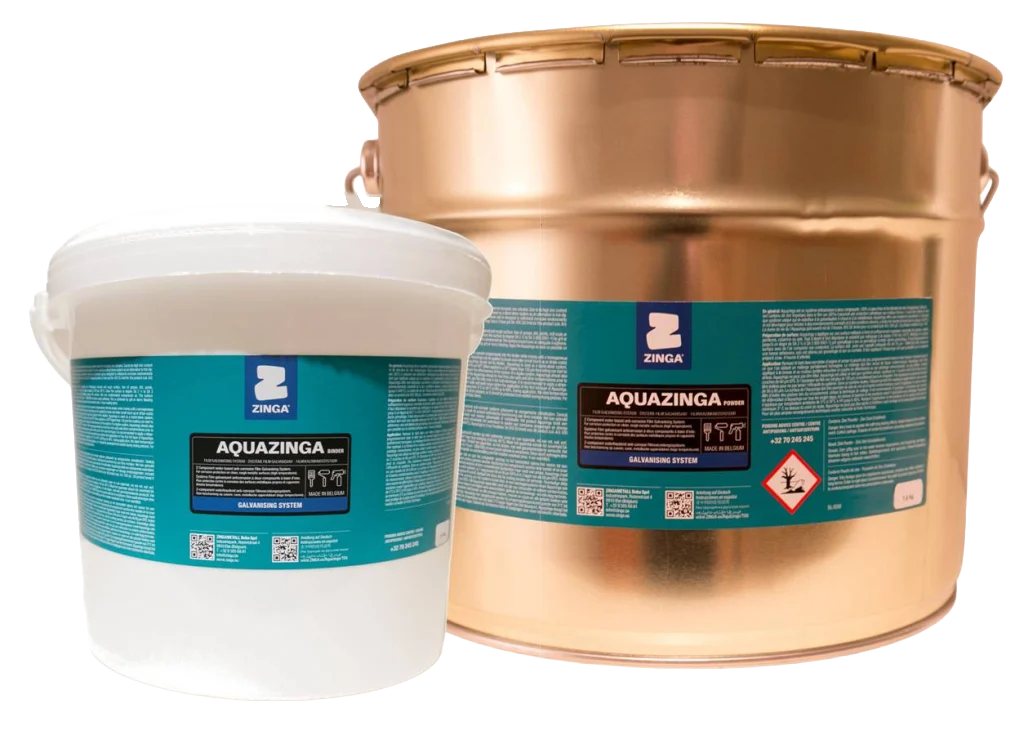
ZINGA® is a film galvanising system, applied with brush, roller or spray, that protects steel galvanically in the same way a hot-dip galvanised layer does. ZINGA® is a valuable addition to our range for use on steel, alongside the material for cathodic protection of reinforcement in concrete.

From a balcony on a residential building to a viaduct in the national road network. Our material and equipment extend the service life of the structure and contribute to the safety of its users.
That helps prevent failure costs, simplifies installation and gives more control over projects during and after construction
Adjustments for a project are possible; we are glad to think along on bespoke solutions
At CPS you will find the people who designed, installed or read out these systems themselves. First-hand experience helps with advice and with making the right choices together.
Unsure about a question for your structure or project? Give us a call and we will gladly think along.
We maximise value for contractors and asset owners.
By understanding the requirements and the interests involved, we are able to offer fitting and efficient solutions.
We build long-term relationships based on our core principles: quality, integrity and reliability
years of experience with cathodic
protection of concrete
of orders available from our own stock
countries we deliver to
structures with active monitoring
Cathodic Protection Supplies supplies material for cathodic protection of concrete and steel. We stand alongside CP Advice, which handles investigation, design and monitoring: CPS supplies the material, CPA advises and assesses.
We contribute to the development of the field by sharing knowledge: courses, articles in trade journals, participation in the KB-Kenniscentrum and our knowledge base that explains the considerations.
What a project needs follows from three things: the type of structure, the remaining service life and the constraints of location, geometry or owner.

Materials engineer (MSc) and originally a corrosion specialist. Has worked in concrete repair from the outset, focusing on cathodic protection of concrete: first as a consultant, then as a contractor and now as a supplier. Involved in developing the field and a knowledge-sharer through and through

Advises on CP systems and leads the internal team. Twenty years in the field, with a background in industrial engineering (MSc). Insightful, practical, inquisitive.

Has worked on CP systems on concrete structures for some ten years. Handles the monitoring and picks up maintenance as soon as defects or faults come into view. Certified at level 3 in accordance with NEN-EN-ISO 15257

Has worked on CP systems on concrete structures for some five years and supports market parties during installation and handover. Focuses on quality control and on troubleshooting when issues arise. Certified at level 3 in accordance with NEN-EN ISO 15257